
Observable changes
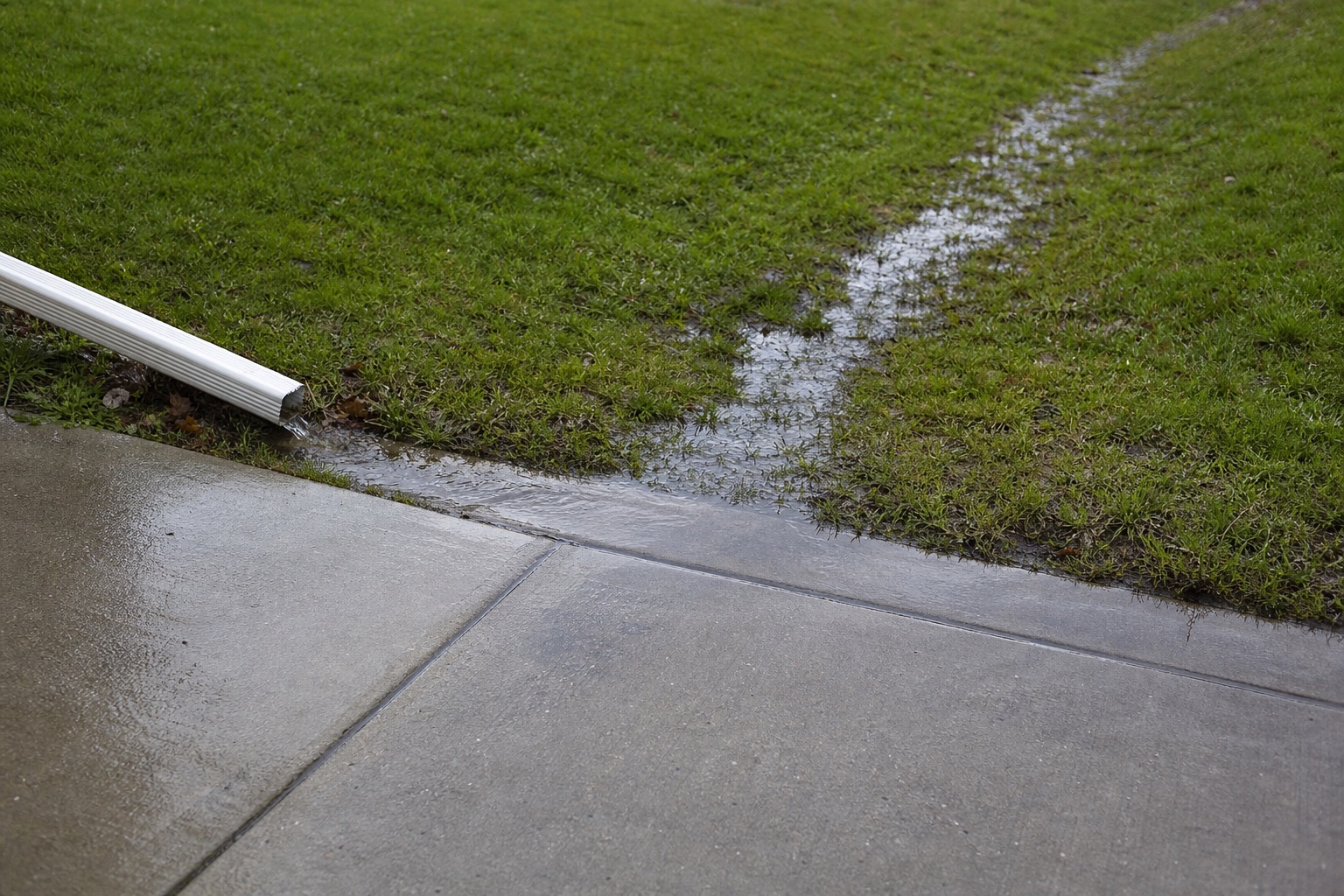
A lower panel edge, separation at a joint, rocking corner, gap below an exposed edge, redirected water, or a changing crack can support a request for evaluation.
Do not turn clues into conclusions
Washout, compaction, roots, fill, erosion, leakage, load, and construction details are possible discussion topics—not conclusions this site can assign to a property. Florida urban soils can be variable, and property-level interpretation requires appropriate evidence.
Create a dated observation record
Take repeat photos from the same safe position, note rainfall or plumbing events without implying causation, and write down when you first noticed the change. Escalate sudden, significant, or building-related movement to an appropriately qualified professional.
Common questions
Questions worth asking
Does a hollow sound prove there is a void?
No. A sound observation alone does not establish the size, location, or cause of unsupported conditions.
Does ponding prove the slab settled?
No. Water movement can reflect several surfaces and drainage features. Document it and ask for a site-specific explanation.
Source shelf
Primary sources
Technical and local assertions on this page are bounded by these primary sources. Accessed July 30, 2026.
Florida urban-soil variability, fill, compaction, and drainage context.
Open official sourceGeneral compaction and water-movement context.
Open official sourceA starting point for property-area soil research, not a repair prescription.
Open official sourceNext steps